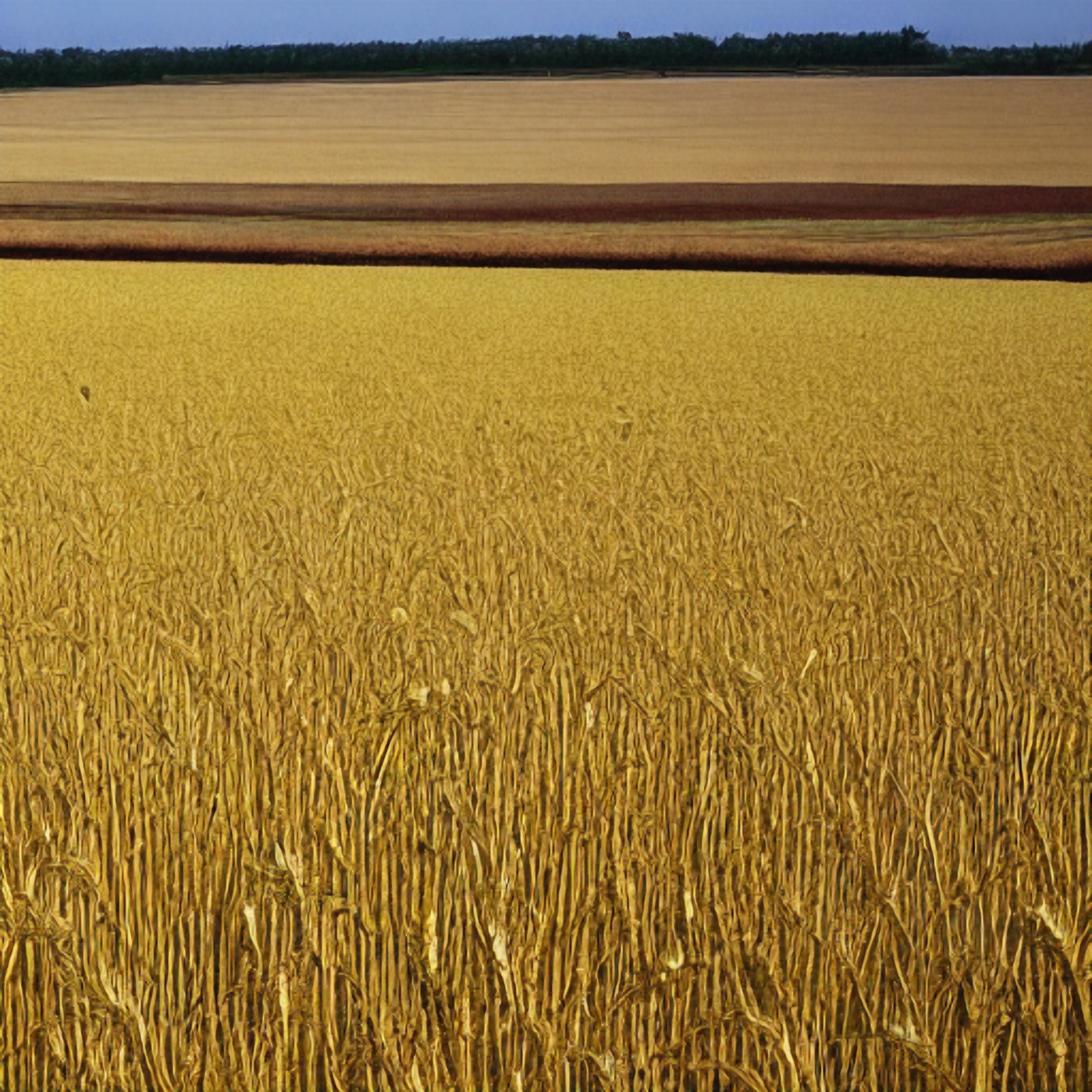

Introduction: Why Ukraine for Organic Wheat?
Ukraine, often called the "Breadbasket of Europe," is a top global exporter of organic wheat. Its fertile soils, favorable climate, and EU-certified organic farming practices make it an ideal source for African buyers seeking sustainable, high-quality grains. This guide walks you through the process of importing organic wheat from Ukraine to Africa, ensuring compliance, cost-efficiency, and quality.
Step 1: Understand Demand and Regulations in Africa
- Research local demand: Which African countries have rising demand for organic wheat? (e.g., Nigeria, South Africa, Kenya).
- Check import regulations: Ensure compliance with African Union standards, phytosanitary requirements, and local food safety laws.
- Certifications needed: Look for EU Organic Certification , Ecocert , or USDA Organic labels to meet African market standards.
Step 2: Source Reliable Ukrainian Suppliers
- Use platforms like GreenGrosupply’s supplier directory to find verified sellers.
- Request samples and verify credentials: Check for ISO 22000, FSSC 22000, or HACCP certifications.
- Prioritize suppliers with DDP (Delivered Duty Paid) options to simplify logistics.
Step 3: Negotiate Terms and Secure Contracts
- Agree on pricing, minimum order quantities (MOQs), and payment terms (e.g., LC at sight, advance payments).
- Include clauses for quality inspections (e.g., SGS or Bureau Veritas) and force majeure protections.
- Leverage GreenGrosupply’s trade agreements for bulk discounts or flexible payment plans.
Step 4: Arrange Logistics and Shipping
- Partner with a qualified freight forwarder experienced in grain exports.
- Choose shipping routes: Black Sea ports (e.g., Odessa) to African hubs like Lagos or Durban.
- Optimize costs: Consolidate shipments or use FCA (Free Carrier) terms to reduce delays.
Step 5: Clear Customs and Deliver to Market
- Prepare documentation: Commercial invoice, bill of lading, certificate of origin, and organic certifications.
- Pay tariffs: Use HS Code 1001.99 for organic wheat to ensure correct classification.
- Work with a local customs broker to expedite processes in countries like Kenya (KRA) or Nigeria (NSC).
Step 6: Market Your Product Effectively
- Highlight sustainability: Emphasize Ukraine’s organic farming practices in marketing materials.
- Target eco-conscious buyers: Partner with health food stores, bakeries, or NGOs promoting food security.
- List on B2B platforms like GreenGrosupply’s marketplace to reach African retailers.
Bonus Tips for Success
- Build relationships: Visit Ukrainian farms or attend agri-trade shows like Agro Ukraine .
- Monitor trends: Track forex rates and geopolitical impacts on Ukrainian exports.
- Leverage technology: Use blockchain platforms like AgriDigital for transparent transactions.
Conclusion: Start Your Organic Wheat Import Journey Today
Importing organic wheat from Ukraine to Africa offers immense potential for profit and sustainability. By following this guide, buyers can navigate complexities with confidence. For tailored support, contact GreenGrosupply’s trade experts or explore our directory of pre-vetted suppliers.