
Introduction
- Hook: “Cooking oil might soon become harder to find in your kitchen than you think.”
- Briefly introduce the growing conflict between Iran and Israel.
- Explain why this conflict could affect much more than just crude oil especially everyday items like cooking oil.
- State the purpose of the post: to explore how this situation may impact wholesalers in the Middle East, especially the UAE, and what consumers can do.
A Quick Look at the Iran-Israel Conflict
1.1 Why Tensions Are Rising
- Summarize the latest events sparking tensions (missile attacks, proxy groups, etc.)
- Note how the region's instability spreads quickly beyond borders.
1.2 How Global Markets React to Conflict
- Explain (in simple terms) how geopolitical issues make traders nervous.
- Mention how shipping lanes (like the Strait of Hormuz) become risky.
- Point out that when oil transport routes are threatened, prices rise—not just for fuel, but for products that rely on oil for production and distribution.
How the Cooking Oil Supply Chain Is Being Affected
2.1 Where the Middle East Gets Its Cooking Oil
- UAE, Saudi Arabia, and other countries import cooking oil, mostly from:
- Malaysia & Indonesia (palm oil)
- Ukraine & Russia (sunflower oil)
- Argentina (soybean oil)
- Some also rely on refined oils transiting through Iran or via regional trade.
2.2 Supply Chain Disruptions
- War or sanctions involving Iran could affect shipping and logistics.
- The Red Sea, Persian Gulf, and Strait of Hormuz are critical trade routes for edible oils.
- Insurance costs for cargo ships go up, causing price hikes.
- Delays at ports and lower availability create bottlenecks.
2.3 What This Means for Wholesalers and Retailers
- Wholesalers in Dubai and across the Gulf may see:
- Reduced deliveries
- Higher prices from suppliers
- Difficulty securing bulk orders
- Smaller shops may need to limit quantity or raise prices, passing the burden to consumers.
What Consumers Can Expect—and Do
3.1 Will There Be a Shortage?
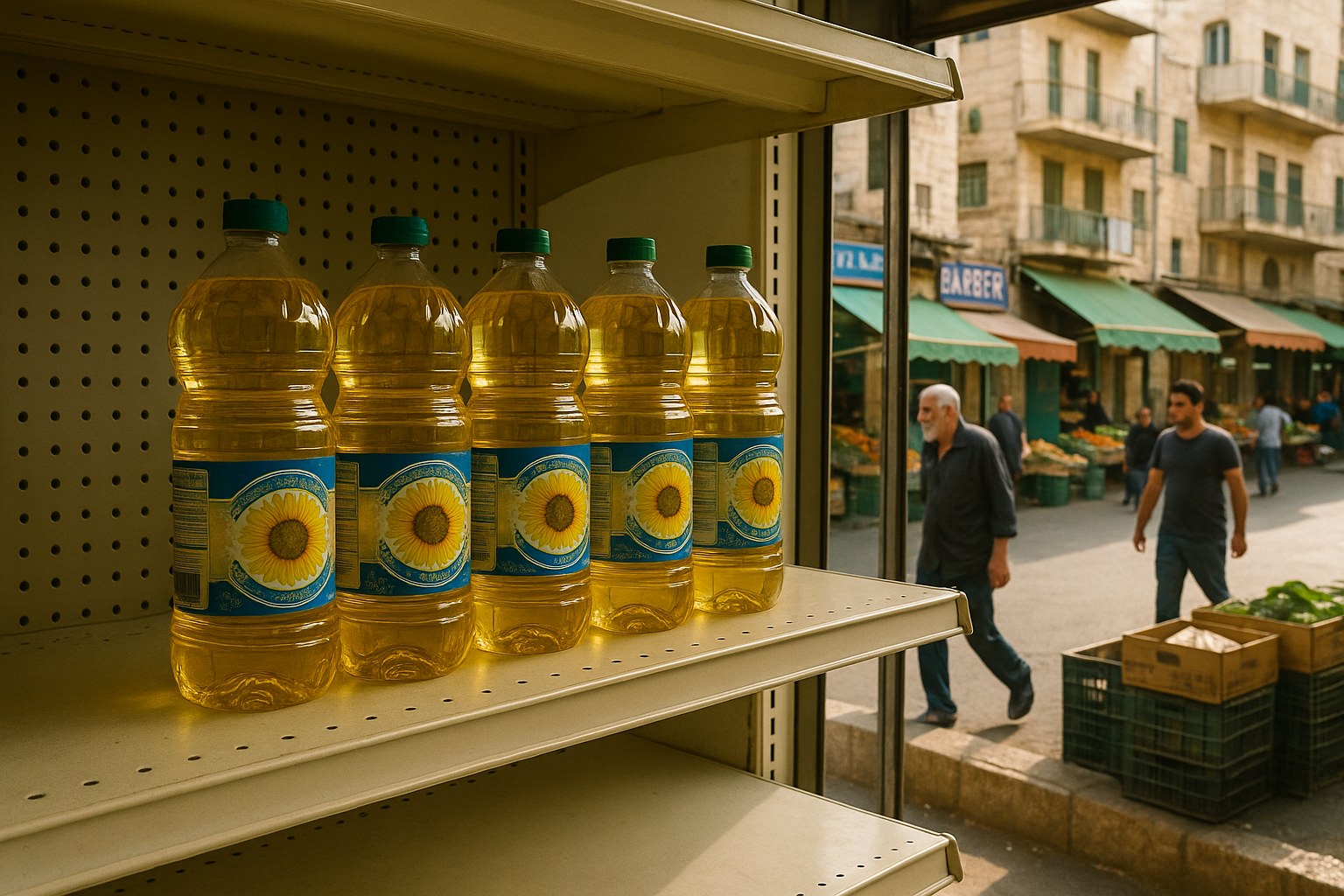
- Possibly. Expect short-term stock shortages, especially of sunflower and palm oil.
- Supermarkets may impose purchase limits on popular brands.
3.2 Price Hikes Are Likely
- Prices of cooking oil already rose during the Ukraine war.
- This new conflict could add more pressure, especially in import-heavy regions.
3.3 What Can You Do as a Consumer?
- Buy smart: stock up sensibly, not in panic.
- Try alternatives: olive oil, ghee, or locally sourced oils.
- Watch for sales and discounts—many stores offer deals before prices rise.
- Support local producers, where available.
- Learn to reduce oil use in recipes without sacrificing taste.
Conclusion
- Summarize the key message: conflict in one part of the world can impact kitchens across the Middle East.
- While cooking oil isn't the first thing people associate with war, it’s one of the first essentials to be affected.
- Encourage readers to stay informed, shop wisely, and prepare for possible supply disruptions.
- End on a hopeful note: communities can adapt and overcome shortages through smart habits and awareness.